Fluid Processing Technology
Eco-Friendly Technology
No hazardous chemicals or secondary pollutants
Contaminants Removal
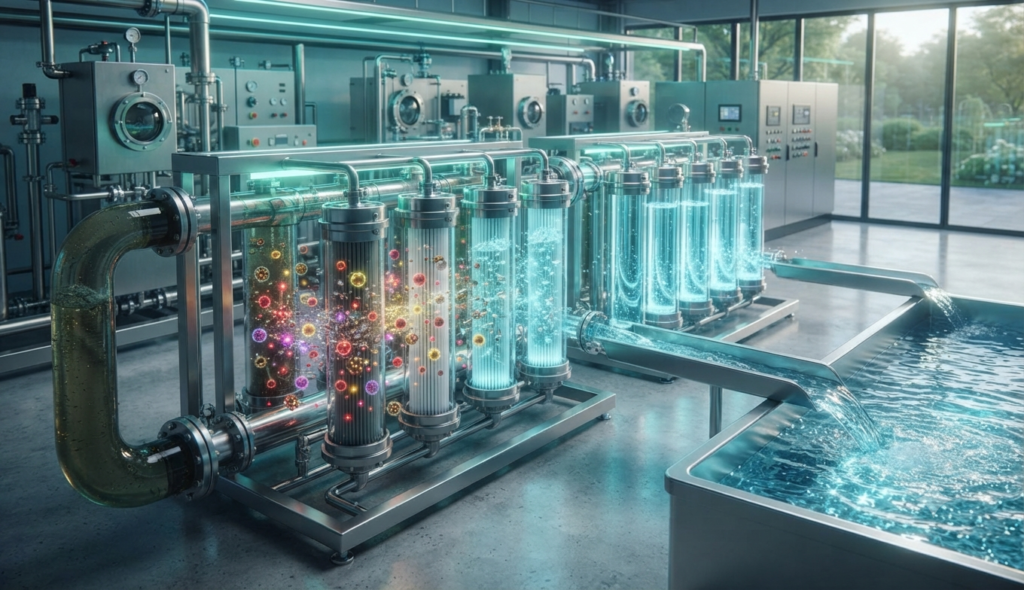
Removes arsentic, Iron, manganese, lead and other contaminants
Fast Treatment
Rapid purification with minimal operational downtime
Low Operating Cost
Energy-efficient technology requiring minimal maintenance
20+
Contaminants
Effectively Treated
ABOUT BIOCLARUS
High Performance Water Treatment System
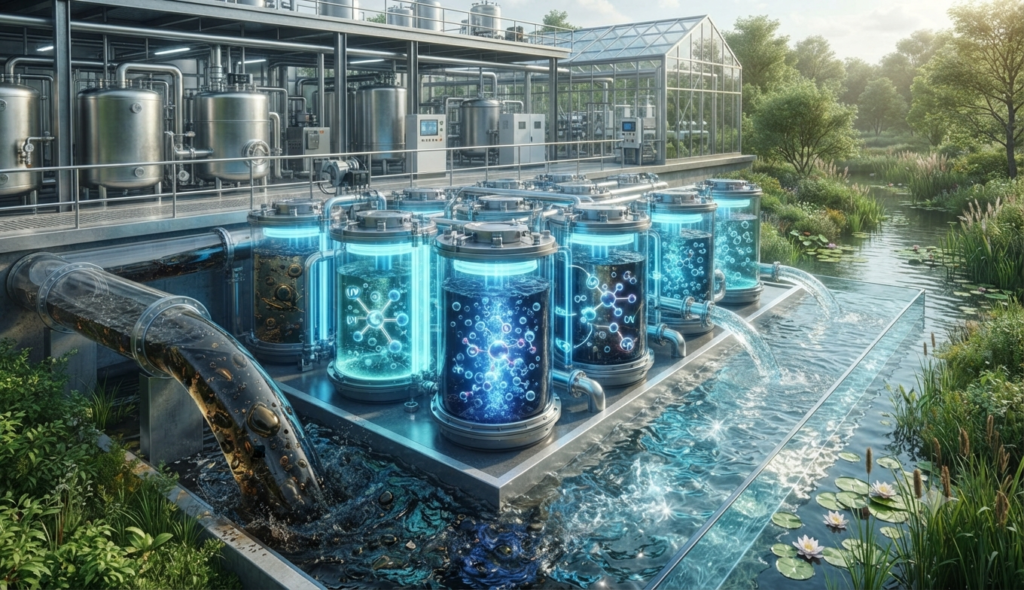
BioClarus uses proprietary advanced Engineered Fluid Processing (EFP) technology for the treatment of fluids containing high concentrations of suspended solids, dissolved toxic and biodegradable organics, ammonia, microbial pathogens, and inorganics, without the use of chemicals. EFP utilizes advances in the application of physics, chemistry and electricity to promote desired chemical/physical reactions within fluid media.
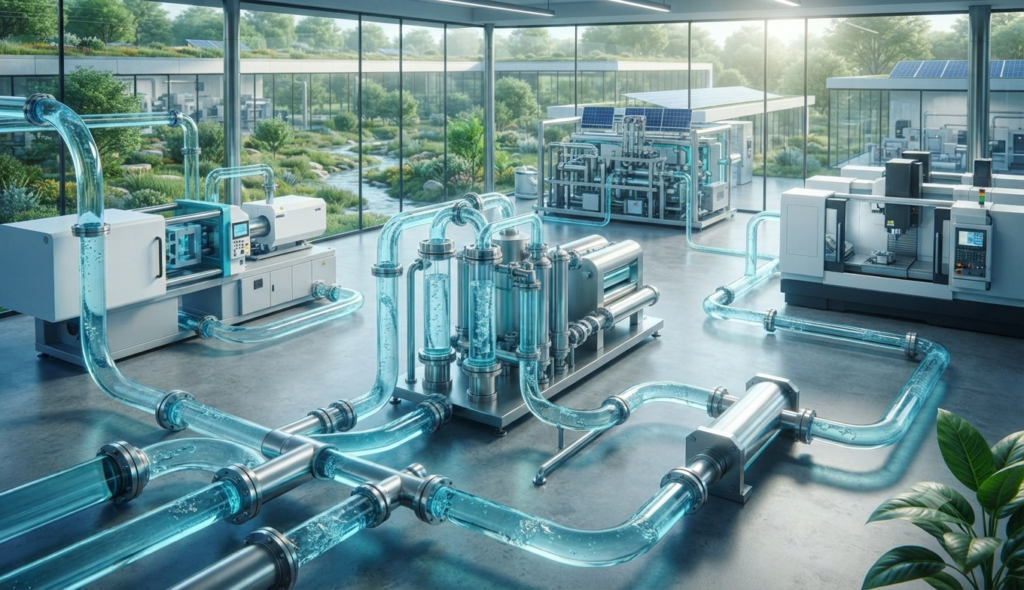
BioClarus can operate as a standalone system or within existing processes to enhance productivity.
Safe Operation
Chemical Free
Compact System
Low Energy Consumption
Safe
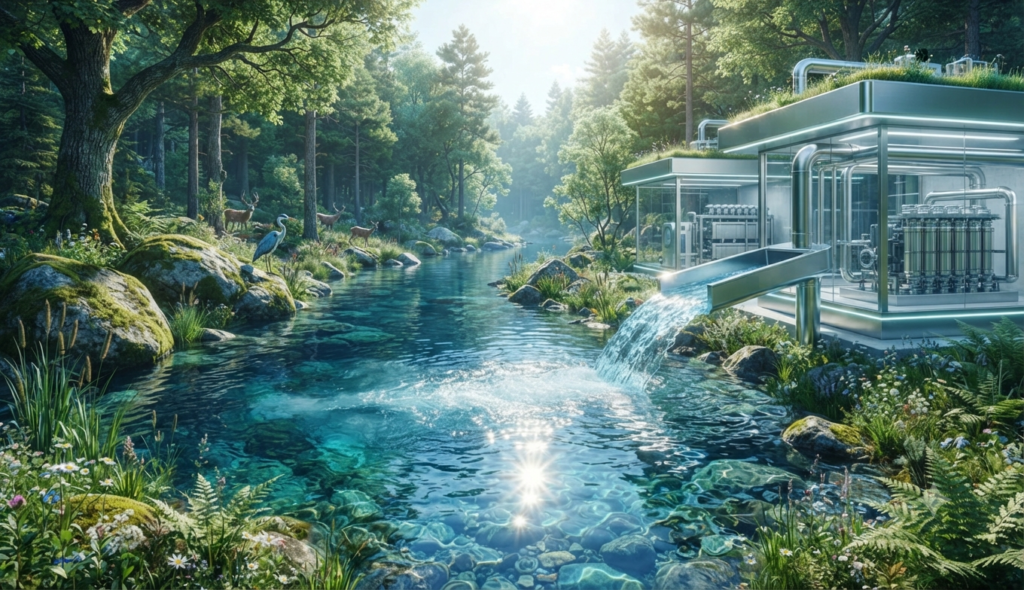
Safe for ecosystem and non-toxic tohumans and equatic life.
Efficient
High treatment efficiency with excellent removal performance.
Quick
Fast action formula for rapid containment reduction.
Reliable
Consistent and stable results accross various applications.
Effortless
Easy to use, simple closing and minimal operational effort.
Affordable
Cost-effective solution with long-term economic benifits.
BENEFITS OF BIOCLARUS
- Highly effective removal of toxic compounds and heavy metals.
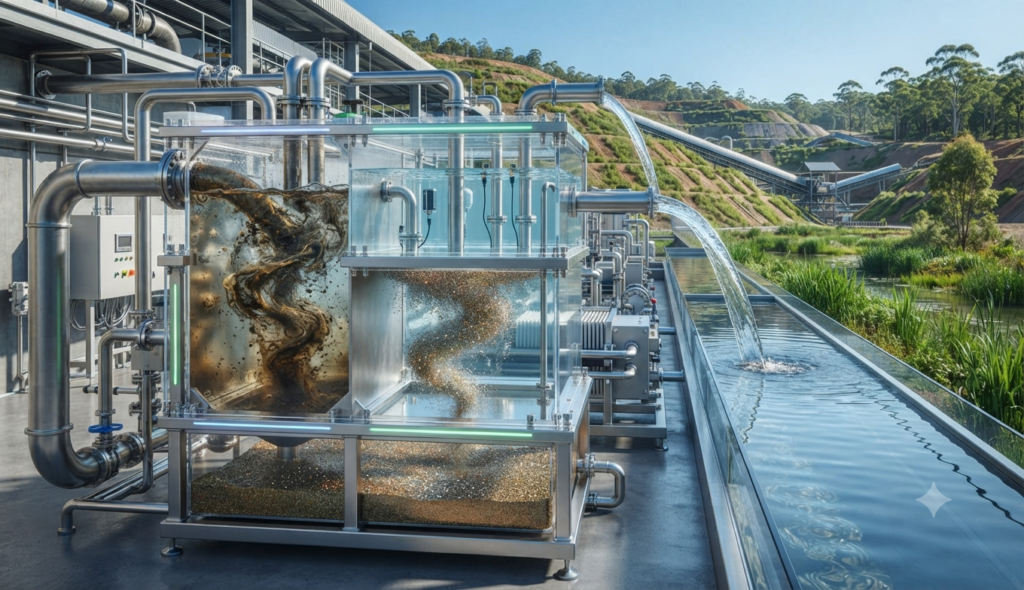
- No hazardous waste, sludge or by-products are generated.
- Easy installation and simple operation.
- Low maintenance and operating cost.
- High treatment efficiency and consistent performance.
- Suitable for industrial and municipal applications.
- Reduced sludge generation, handling and disposal.
- Minimal chemical requirement, no harmful reagents.
- Low power consumption and energy costs.
- Compact footprint and modular design.
APPLICATIONS OF BIOCLARUS
Industrial
Wastewater
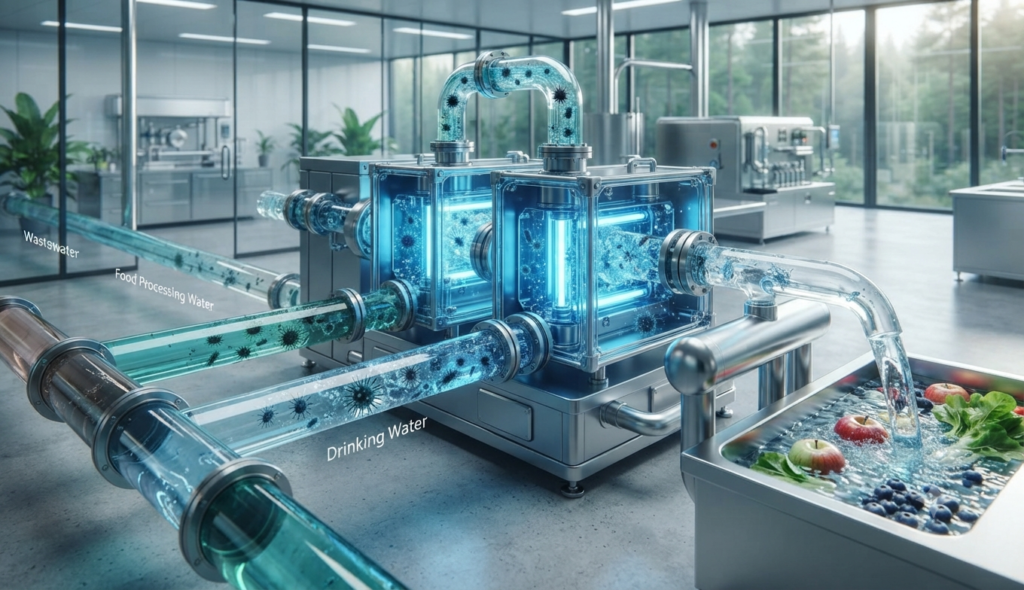
Treat wastewater from manufacturing, chemical, textile, mining and industrial facilities.
Municipal Water Treatment
Improve drinking water quality while meeting environmental standards.
Aquatics Water Treatment
Improve water quality for aquatic life, tanks, and equipment. (note: this heading and description are partially obscured/garbled in the screenshot, so exact wording may differ)
Agriculture Water Reuse
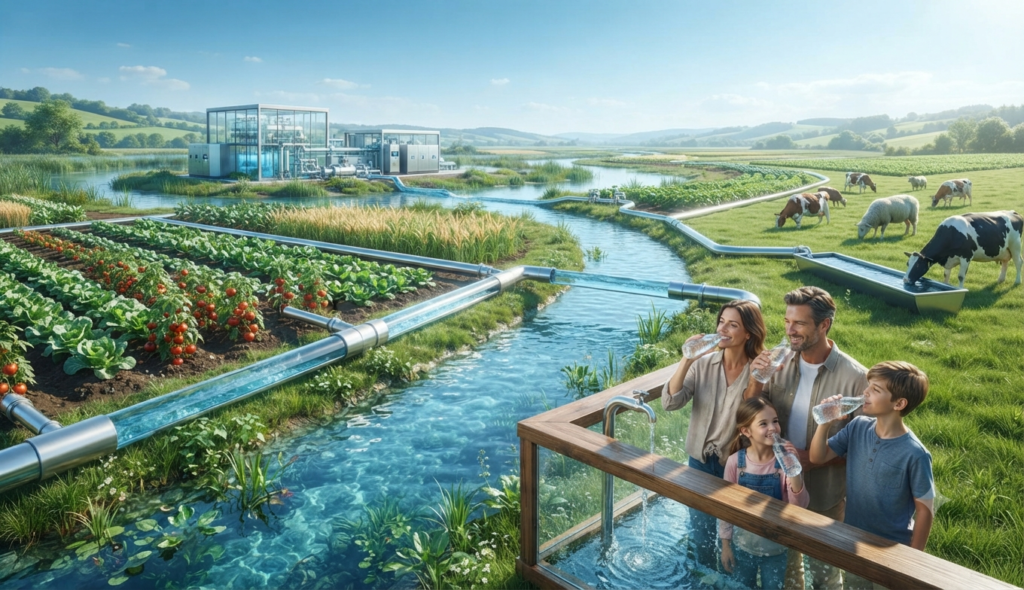
Treat irrigation water for safe agricultural reuse.
Â
Groundwater Remediation
Remove heavy metals and contaminants from groundwater.
Surface Water Treatment
Improve water quality from rivers, lakes, and reservoirs.
Environmental Remediation
Clean up contaminated sites and support environmental recovery.
| Media Tested | (Industrial Waste) |
|---|---|
| Ammonia | >90% |
| Calcium | >90% |
| Cobalt | 100% |
| Iron | >90% |
| Manganese | >90% |
| Hardness | >85% |
| Magnesium | >90% |
| Potassium | >90% |
| Selenium | >90% |
| Silver | >85% |
| Bacteria | 100% |
| Total Dissolved Solids Optimization | 100% |
| Total Coliform Reduction | <1 MPN |
| E. coli | <1 MPN |
| BOD | 99% |
Performance of BioClarus
Lab Results of BioClarus
Results from independent labortary analysis of treated water samples
| Analyte | Lowest Detection Limit | Units | Before Treatment | After Treatment |
|---|---|---|---|---|
| Physical Tests (Matrix: Water) | ||||
| Conductivity | 2.0 | µS/cm | 55.1 | 57.5 |
| Alkalinity, total (as CaCO3) | 1.0 | mg/L | 26.0 | 24.2 |
| Colour, True | 5.0 | CU | 11.3 | <5.0 |
| Hardness (as CaCO3), from total Ca/Mg | 0.60 | mg/L | 28.7 | 25.6 |
| pH | 0.10 | pH units | 7.61 | 7.53 |
| Solids, total dissolved [TDS] | 10 | mg/L | 64 | 44 |
| Turbidity | 0.10 | NTU | 33.7 | 3.62 |
| Chloride | 0.50 | mg/L | <0.50 | <0.50 |
| Fluoride | 0.020 | mg/L | <0.020 | 0.021 |
| Nitrate (as N) | 0.0050 | mg/L | <0.0050 | 0.0051 |
| Ntrite (as N) | 0.0010 | mg/L | <0.0010 | <0.0010 |
| Sulfate (as SO4) | 0.30 | mg/L | 2.32 | 2.38 |
| Bacteriological Tests (Matrix: Water) | ||||
| Coliforms, Total | 1 | MPN/100mL | 28 | <1 |
| Coliforms, Escherichia coli [E. coli] | 1 | MPN/100mL | 1 | <1 |
HOW BIOCLARUS WORKS
Simple Process. Superior Results.
01
Water enters treatment system
02
BioClarus reacts with contaminants
03
Pollulants are removed and separated
04
Clean treated water is discharged or reused
PERFORMANCE OF BIOCLARUS
- Performance Report
- Laboratory Lab Results
- Technical Datesheet
- Case Studies
READY TO IMPROVE YOUR WATER QUALITY?
Let's Build a Cleaner Future Together
Our experts are ready to help you find the right solution for your water treatment challenges.